
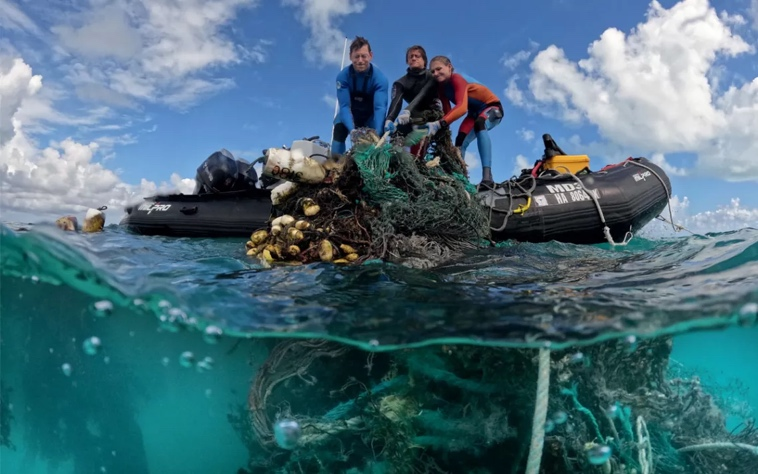
The ocean covers over 70% of our planet and plays a vital role in regulating climate, producing oxygen, and supporting biodiversity. Yet, this critical ecosystem is under threat from pollution, overfishing, and climate change—and the fashion industry is one of its most unexpected contributors. As fashion lovers and consumers, understanding how our clothing choices impact the ocean is key to reversing the damage and protecting marine life for future generations.
Every year, more than 8 million tons of plastic end up in our oceans. A large portion of this waste comes from the fashion industry—not only through packaging, but also through the materials used to create our garments. Synthetic fabrics like polyester, nylon, and acrylic, which make up nearly 60% of all clothing produced, shed microplastics when washed. These microscopic fibers are too small to be filtered out by water treatment plants and end up in rivers, lakes, and oceans, where they are ingested by marine animals and enter the food chain—including ours.
The scale of this issue is staggering. One study estimates that a single load of laundry can release up to 700,000 microplastic fibers into the water system. These pollutants not only threaten marine life but have also been found in drinking water and human organs, raising serious public health concerns. It’s a powerful reminder that fashion’s footprint doesn’t end on the shop floor—it extends all the way to the seabed.
Beyond materials, the production of clothing often involves toxic dyes and chemicals that seep into waterways. In some parts of the world, rivers literally run the color of the season’s trend due to textile factory waste. These pollutants harm aquatic ecosystems, kill marine species, and jeopardize the livelihoods of coastal communities.
This is why our brand , Sea Sanctuary are leading a vital shift. By using Econyl®, a regenerated nylon made from discarded fishing nets and ocean plastic, Sea Sanctuary transforms harmful waste into beautiful, wearable art. Each garment contributes to reducing ocean pollution while showcasing the potential of circular fashion. Moreover, the brand allocates a portion of profits to marine conservation initiatives in Canada and partners with organizations like Oceana and the Quebec-Labrador Foundation to support coastal cleanups and biodiversity protection.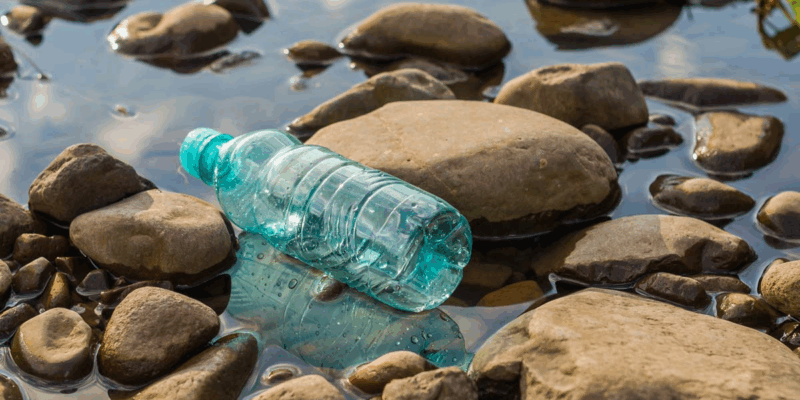
But brands can’t do it alone. As consumers, we play a crucial role in this movement. Supporting fashion labels that prioritize marine conservation, reducing plastic use, opting for biodegradable or natural fabrics, and participating in environmental initiatives like beach clean-ups are all meaningful ways to make a difference.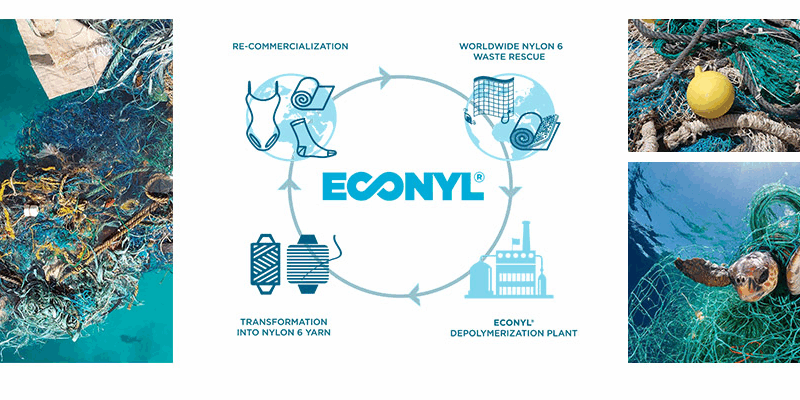
Fashion should never come at the cost of the planet’s most essential resources. When we protect our oceans, we preserve the very systems that sustain life. Ocean conservation and sustainable fashion are not separate conversations—they are deeply interconnected. As stewards of both style and the environment, we have the opportunity to turn the tide. Let’s choose fashion that respects and restores the sea.
