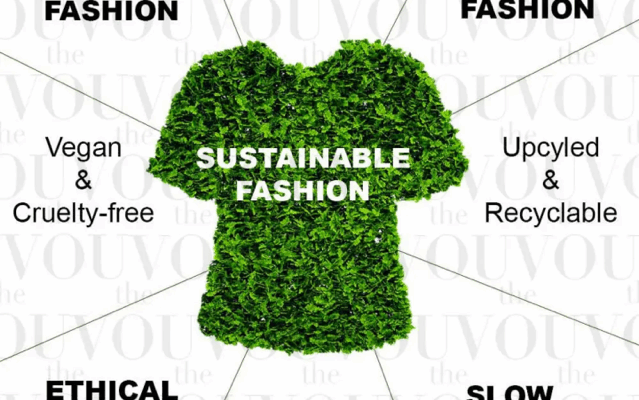
In an era where climate change, resource depletion, and ethical labor concerns dominate global conversations, the fashion industry finds itself at a crossroads. Known for its environmental toll, the fashion sector is responsible for around 10% of global carbon emissions and produces over 92 million tons of waste annually. As awareness grows, more consumers are stepping into their role as changemakers, choosing sustainable fashion as a way to align their values with their wardrobe.
But what does sustainable fashion really mean, and how can everyday shoppers make more responsible choices?
Start with Conscious Consumption
The first step toward sustainability is buying less, but better. Instead of chasing trends or indulging in fast fashion hauls, opt for timeless, well-constructed pieces that will serve you season after season. Look for garments made with eco-friendly fabrics such as organic cotton, hemp, Tencel™, and recycled materials like Econyl®—a regenerated nylon made from ocean and landfill waste like fishing nets and industrial plastic.
Sustainable fashion is also about longevity. Investing in higher-quality items means you’ll likely reduce the need for frequent replacements, which cuts back significantly on waste and emissions over time.
Know Your Labels
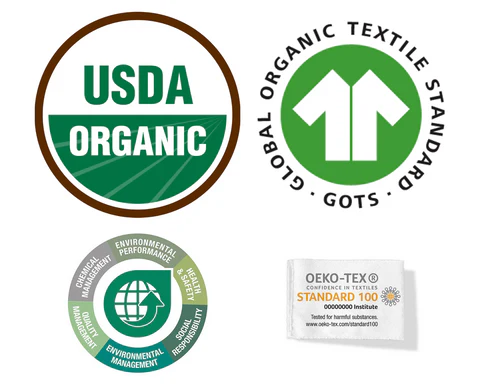
Transparency is a major marker of sustainability. Ethical brands will openly share their sourcing, manufacturing, and labor practices. Look for certifications like GOTS (Global Organic Textile Standard), Fair Trade, OEKO-TEX®, and B Corp status, which indicate a verified commitment to responsible practices.
Brands such as Sea Sanctuary, for instance, openly communicate their zero-waste production model and use of materials like Econyl®, while also empowering women in the supply chain through partnerships with artisan communities.
Support Ethical Labor
Beyond materials, who makes your clothes and under what conditions matters deeply. Many fast fashion brands rely on exploitative labor to keep costs low. Sustainable brands prioritize fair wages, safe working conditions, and small-batch or artisan production. When you buy from such brands, you’re not only buying a garment—you’re supporting dignity and empowerment in the global labor force.
Embrace Circular Fashion
Sustainability doesn’t end at the point of purchase. Extending the lifecycle of your clothes is just as important. Learn to mend small tears, repurpose outdated styles, or participate in clothing swaps. Many sustainable brands offer repair kits, buy-back programs, or upcycling initiatives that allow customers to return old pieces to be recycled into new ones.
You can also shop secondhand through thrift stores or online platforms like Depop and Poshmark. These choices significantly reduce the demand for new resources and minimize landfill waste.
Stay Informed and Inspired
Follow blogs, influencers, and brands that prioritize environmental ethics. Stay current on sustainability trends and innovations, and let that knowledge empower your shopping decisions. Engage in community initiatives like beach clean-ups or sustainability workshops—they offer a chance to live out your values beyond the wardrobe.
In choosing sustainable fashion today, you’re not only dressing with style—you’re dressing with purpose. As a conscious shopper, your every purchase has the power to shape a cleaner, kinder future for both people and the planet.